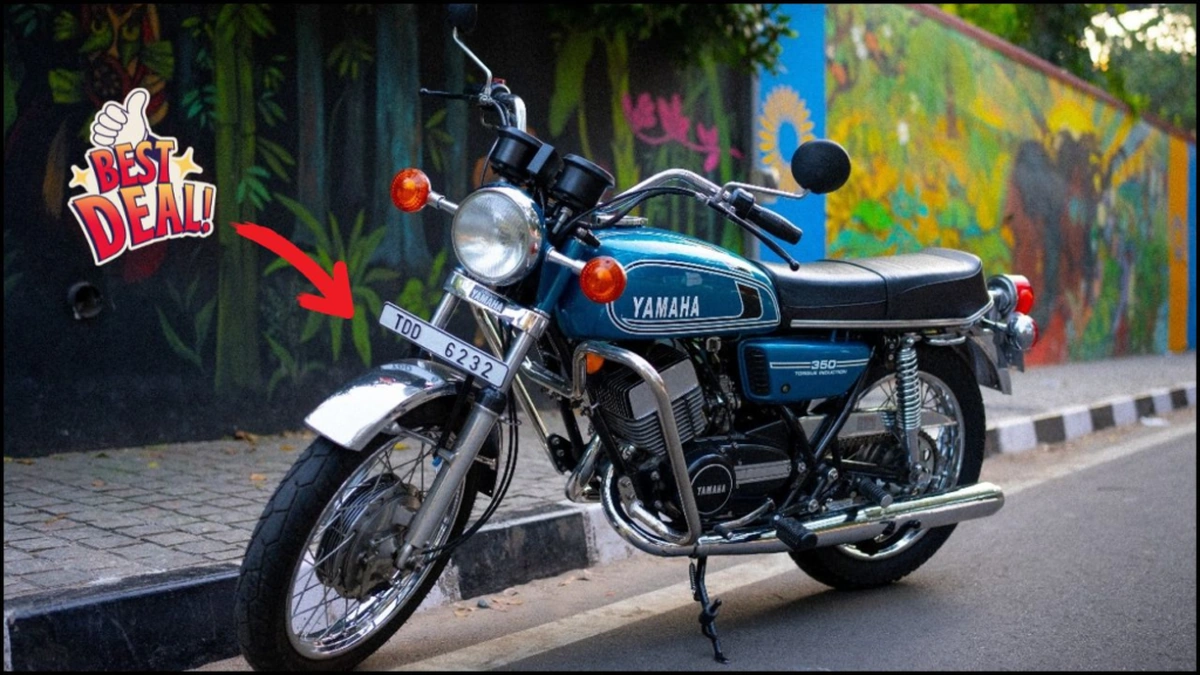
In 2025, the Rajdoot 350 is set to return to the Indian market as a retro-styled, twin-cylinder motorcycle, combining nostalgic aesthetics with modern technological advancements. Equipped with enhanced safety features, competitive pricing, and significant cultural heritage, this iconic brand aims to reignite its legacy in the rapidly changing motorcycle industry.
The Rajdoot 350, an emblematic motorcycle from India’s 1980s era, is poised for a comeback in 2025. It will present itself as a retro twin-cylinder ride, seamlessly merging classic design elements with contemporary engineering. This revival is intended to appeal to both enthusiasts driven by nostalgia and younger, urban riders seeking a blend of style, value, and performance within the 300–350 cc motorcycle category.
Table of Contents
- A Legendary Name Reborn
- Design and Styling: Modern Craft Meets Heritage
- The Engine Story: From Two-Stroke Rebel to Cleaner Performer
- Pricing and Launch Strategy
- Target Audience: Between Memory and Modernity
- Market Context: Why Heritage Bikes Are Booming
- Engineering and Safety Upgrades
- Economic and Cultural Significance
- Challenges Ahead
- Expert Outlook
- The Road Ahead
- Concluding Perspective
A Legendary Name Reborn
Initially launched in 1983 through a collaborative effort between the Escorts Group and Yamaha Motor Company, the original Rajdoot 350 was modeled after the Yamaha RD 350 B. It distinguished itself as India’s first twin-cylinder, two-stroke performance bike, known for its speed, distinctive design, and forward-thinking features. Despite cultivating a devoted fan base, its high cost and considerable fuel consumption hampered its overall market penetration.
The 2025 relaunch aims to redefine this narrative. By integrating vintage design cues with modern technology, the revitalized Rajdoot 350 aspires to maintain the essence of its predecessor while addressing the limitations that prevented it from achieving widespread popularity four decades prior.
Design and Styling: Modern Craft Meets Heritage
Immediately noticeable is the new Rajdoot 350’s respectful nod to its heritage. The design team has carefully preserved iconic features such as the circular headlamp, the teardrop-shaped fuel tank, and mudguards accented with chrome. The bike’s frame structure and rider seating position are inspired by the original model, while the quality of materials and construction reflect contemporary standards.
In contrast to the original’s weighty build and high fuel demand, the 2025 iteration boasts lighter alloy components, LED lighting, and a modernized digital-analog instrument panel. This panel subtly incorporates contemporary data displays within a design that echoes vintage aesthetics.
Riders can also expect enhanced ergonomic features, including a lower seat height, an adjustable suspension system, and a refined handlebar arrangement, all designed to improve comfort for both daily commutes and longer weekend excursions.
The Engine Story: From Two-Stroke Rebel to Cleaner Performer
The two-stroke twin engine of the original Rajdoot 350 generated 30 horsepower but was notoriously inefficient with fuel and oil. Current environmental regulations preclude similar designs.
The new version will reportedly feature a 334 cc liquid-cooled engine, engineered to strike a balance between power and fuel efficiency. While not a direct replication of the original twin-cylinder engine, this new powerplant seeks to honor its legacy through the inclusion of dual exhausts, unique sound tuning, and responsive mid-range torque.
Preliminary test results from dealerships indicate the engine will produce approximately 28 bhp and 30 Nm of torque, positioning it as a direct competitor to contemporary classics such as the Royal Enfield Classic 350, Jawa 350, and Yezdi Roadster.
The manufacturer projects a fuel efficiency of 60–70 km/l; however, real-world performance is anticipated to be closer to 35–40 km/l, contingent on riding style and conditions.
Pricing and Launch Strategy
With an anticipated ex-showroom price range of ₹2.10 lakh to ₹2.40 lakh, the Rajdoot 350 enters a highly competitive segment of the Indian motorcycle market. The company is said to be considering pre-booking incentives and special “dhamaka discounts” for early purchasers, including offerings such as extended warranties and complimentary accessories.
The company’s strategy appears to hinge on blending nostalgic appeal with affordability. By pricing the Rajdoot 350 below premium retro competitors and marketing it as a “heritage-inspired everyday motorcycle,” Rajdoot aims to attract riders seeking the vintage feel of a Royal Enfield without the associated bulk or expense.
Target Audience: Between Memory and Modernity
For older riders who recall the Rajdoot dominating Indian roads, the new model revives memories of their youth and a simpler mechanical era. For younger buyers, it represents a distinctive statement—a nod to India’s motorcycling history, adapted for contemporary lifestyles.
Market Context: Why Heritage Bikes Are Booming
The Rajdoot revival reflects a wider industry trend in which established brands are reintroducing classic motorcycles for today’s consumers. India’s two-wheeler market, valued at over ₹1 lakh crore annually, is observing heightened demand for lifestyle and recreational models, as opposed to solely practical commuter bikes.
Engineering and Safety Upgrades
The new Rajdoot 350 significantly diverges from its 1980s predecessor in several key aspects. It features a semi-double-cradle chassis, designed for enhanced stiffness and rider comfort. The telescopic front forks and dual-shock absorbers are engineered to provide improved damping on varied Indian road surfaces.
Economic and Cultural Significance
The Rajdoot brand represents more than just mechanical prowess—it’s deeply integrated into India’s cultural and economic heritage. During the 1970s and 1980s, owning a Rajdoot symbolized status and engineering excellence. The motorcycle was featured in films, songs, and political campaigns, embodying Indian ambition.
Challenges Ahead
Despite considerable anticipation, certain challenges persist. The enduring success of any heritage revival hinges on sustained product quality and reliable service support. Previous attempts by smaller manufacturers to resurrect iconic brands have failed due to issues with reliability and inadequate after-sales service networks.
Expert Outlook
Industry analysts view the revival of the Rajdoot 350 as a calculated gamble with considerable potential. The Indian mid-capacity motorcycle market is forecasted to grow by 15 percent annually over the next five years. Well-executed, heritage-inspired models could secure a substantial portion of this growth.
The Road Ahead
The Rajdoot 350 is slated to arrive in dealerships across the country by the fourth quarter of 2025. The initial launch will focus on major metropolitan areas, followed by expansion into Tier-II cities and towns where the original Rajdoot is still fondly remembered.
Concluding Perspective
The comeback of the represents more than a mere product relaunch; it symbolizes India’s evolving connection with its automotive legacy. While market success will be determined by its execution, the brand’s inherent emotional connection provides a substantial advantage from the outset.
