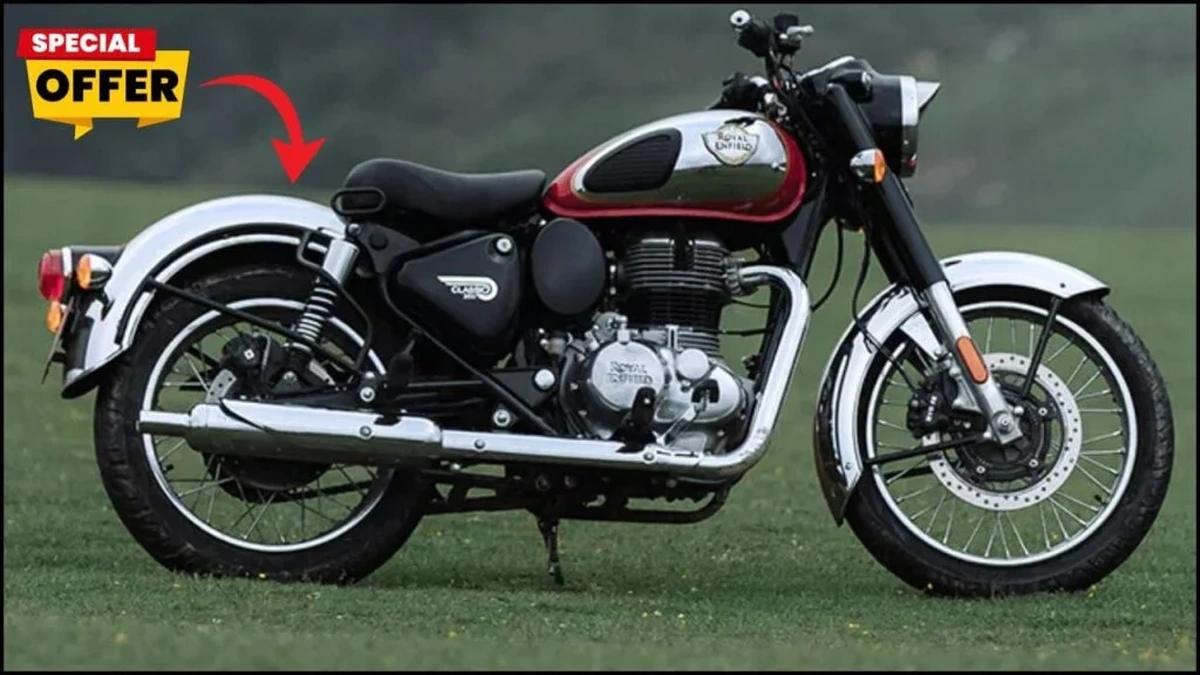
Speculative reports hinting at Royal Enfield’s development of an Electric Bullet, boasting a 233-kilometre range and a top speed of 120 km/h, have sparked considerable buzz amongst Indian motorcycle aficionados.
Speculative reports hinting at Royal Enfield’s development of an Electric Bullet, boasting a 233-kilometre range and a top speed of 120 km/h, have ignited considerable buzz amongst Indian motorcycle enthusiasts. The company hasn’t formally acknowledged the existence of such a model, and their publicly stated plans still point to a 2026 release for their inaugural electric motorcycle. This discrepancy between speculation and official information has only amplified public curiosity and conjecture.
Table of Contents
- Growing Curiosity Around the Electric Bullet
- Royal Enfield’s Confirmed EV Strategy
- Why the Electric Bullet Rumour Resonates With Riders
- Cultural Significance of the Bullet
- Public Demand for Electric Mobility
- Technical Challenges Behind an Electric Bullet
- Rumours Versus Verified Information
- Origins of the Claims
- Checking Information Against Public Records
- Industry Outlook: What Experts Expect Next
- How Riders Can Verify Future Claims
- Regulatory Announcements
- Official Royal Enfield Channels
- Conclusion
Growing Curiosity Around the Electric Bullet
Whispers of an “Electric Bullet” have begun appearing across various motorcycle blogs, social media discussions, and informal online news. These suggestions portray a fully electric iteration of the company’s quintessential model, the Bullet, complete with an extended-range battery and competitive performance geared toward city and suburban riders.
However, none of these claims originate directly from Royal Enfield or from official regulatory submissions. Without concrete evidence from the manufacturer, these reports remain purely speculative. Auto industry analysts advise caution, noting that online enthusiasm frequently outpaces official product announcements, causing confusion between genuine insider information and baseless assumptions.
Royal Enfield’s Confirmed EV Strategy
Royal Enfield has openly stated their long-term dedication to electric mobility. For several years, the company has been actively developing a specialized EV platform, investing in cutting-edge testing infrastructure, and forging alliances with international suppliers of battery solutions, electric motors, and control systems.
During a recent discussion with investors, Eicher Motors, Royal Enfield’s parent company, restated that the company’s initial electric motorcycle is slated to debut around Fiscal Year 2026. Company representatives underlined that the forthcoming model will blend Royal Enfield’s signature design principles with contemporary electric powertrain technology.
Although the company has generally discussed electric motorcycles inspired by their heritage, they haven’t officially verified that their first EV will bear the Bullet name or replicate the original Bullet’s aesthetic.
Why the Electric Bullet Rumour Resonates With Riders
Cultural Significance of the Bullet
The Royal Enfield Bullet stands as one of India’s most enduring motorcycle icons, celebrated for its distinctive exhaust sound, upright riding posture, and long-standing connection to long-distance travel. Because the Bullet is so inextricably linked to Indian motorcycling culture, any suggestion of an electric counterpart naturally captures widespread attention.
For many riders, the Bullet transcends its function as a motorcycle; it embodies identity and tradition. A shift to electric power—a silent, vibration-free option—would represent a profound transformation in the brand’s emotional inheritance.
Public Demand for Electric Mobility
India boasts one of the world’s fastest-growing electric two-wheeler markets. Factors such as escalating fuel costs, government incentives, and concerns about urban air quality have encouraged many commuters to explore EV alternatives. An electric motorcycle carrying the Bullet branding would instantly distinguish itself from emerging EV brands by offering the familiarity of a respected and trusted name.
Analysts emphasize that consumers anticipate established manufacturers like Royal Enfield to offer credibility, comprehensive service networks, and enduring reliability to the EV sector.
Technical Challenges Behind an Electric Bullet
Creating an electric motorcycle that captures the spirit of the classic Bullet presents unique engineering hurdles. The original Bullet is characterized by its long-stroke engine, distinctive sound, and tactile feedback—elements that do not effortlessly translate to electric powertrains.
To preserve the Bullet’s defining characteristics, an EV equivalent would necessitate:
- A frame designed to ensure stability on challenging terrain and extended journeys
- A battery solution with effective thermal management to withstand India’s hot conditions
- A motor capable of delivering torque performance reminiscent of a traditional engine
- Robust components engineered for touring, not merely urban commutes
These constraints imply that crafting an “authentic” Electric Bullet would involve more than simply swapping a motor and battery into an existing chassis. It would necessitate specialized engineering efforts, balancing nostalgic elements with modern efficiency.
91 years. 1 legacy. Meet the many faces of the Royal Enfield Bullet. #BulletMeriJaan#RoyalEnfieldBullet #RoyalEnfield #RidePure #PureMotorcycling pic.twitter.com/MxOlZIxB76
Rumours Versus Verified Information
Origins of the Claims
The performance figures currently circulating—such as a 233-kilometer range or a 120 km/h top speed—seem to originate from unconfirmed online posts. None of these figures are associated with:
- Official press releases from Royal Enfield
- Trademark applications
- Testing results
- ARAI (Automotive Research Association of India) certifications
- Investor disclosures
Without these benchmarks, experts in the auto industry suggest treating these specifications as theoretical figures rather than established details.
Checking Information Against Public Records
Leading motorcycle manufacturers typically file patents, register model names, or submit vehicles for regulatory assessment well in advance of a commercial launch. Currently, no such filings mention an electric Bullet.
This absence strongly indicates that either the rumors are premature, or the supposed model does not yet exist in an advanced phase of development.
Industry Outlook: What Experts Expect Next
Experts also anticipate:
- Numerous prototypes appearing in public testing over the coming year
- Patent submissions for innovative EV components
- Announcements at major auto exhibitions or during investor conferences
- Potential global market positioning, given Royal Enfield’s extensive international footprint
How Riders Can Verify Future Claims
Regulatory Announcements
Any forthcoming Royal Enfield EV must be documented in databases managed by the Automotive Research Association of India (ARAI) or similar certification authorities. These records validate battery specifications, safety performance, and performance parameters.
Official Royal Enfield Channels
Royal Enfield distributes new information through its official website, verified social media profiles, dealer communications, and formal investor reports. These platforms remain the most dependable sources for accurate updates.
2026 Ford Mustang Pickup Truck with Extreme Power and Advanced Towing: Dhamaka Offers and Bumper Discount!
Conclusion
The heightened interest in a potential Electric Bullet highlights both the motorcycle’s legendary status and India’s expanding adoption of electric mobility. However, the claims presently circulating online are still unverified, and Royal Enfield’s sole confirmed plan is a broader EV launch slated for 2026. As enthusiasm escalates, riders are advised to depend on official sources and reliable journalism instead of unsubstantiated online publications.
