Table of Contents
- A Cult Car Returns to India
- Skoda Octavia RS Technical Specifications and Performance
- Skoda Octavia RS Advanced Technology and Safety Features
- Why Early Buyers Are Getting Extra Benefits
- Skoda Octavia RS Pricing and Market Position
- Import Policy and Limited Allocation
- Enthusiast Response and Community Buzz
- Skoda’s Strategy: Strengthening the Brand
- Future Outlook and Next Steps
- Conclusion
A Cult Car Returns to India
The Skoda Octavia RS has always been highly regarded by performance car lovers in India. The RS 230, which came out in 2017, and the RS 245, which was released in 2020, both sold out quickly because of their impressive performance, subtle style, and affordable price when compared to other luxury German cars.
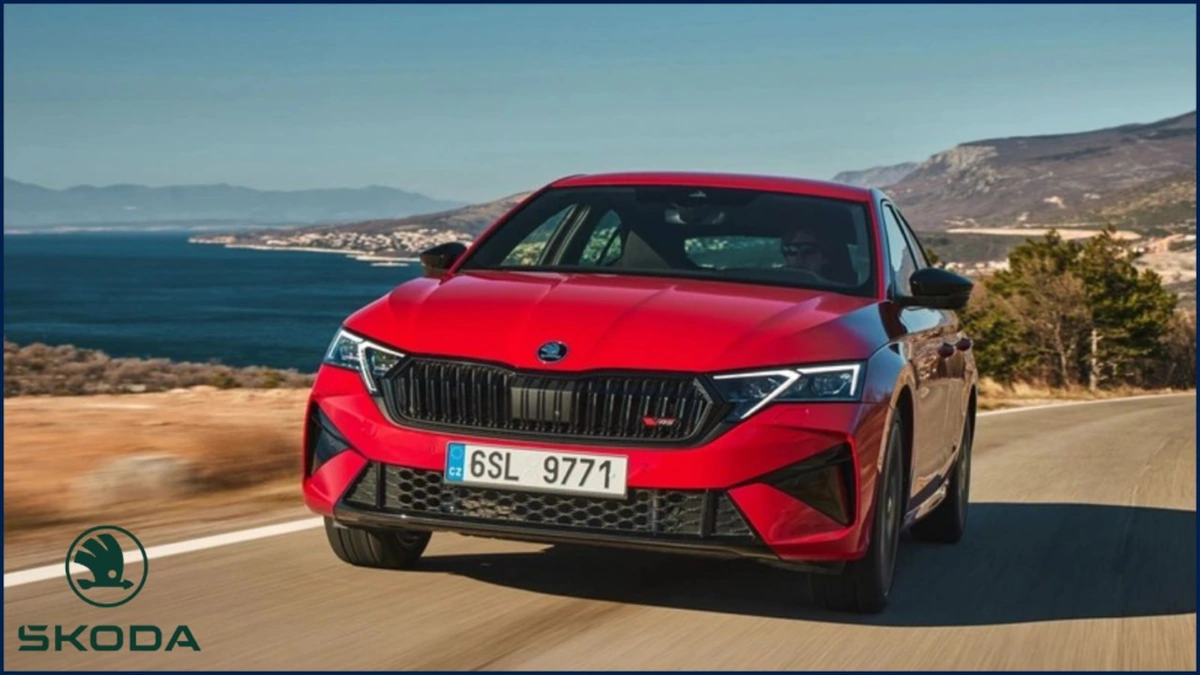
After a three-year break, the 2025 Octavia RS is back as a completely built unit (CBU). It still has the classic sedan shape but now features a more modern design with sharper lines, a sportier look, and the distinctive RS badges.
Skoda Auto India has stated that they decided to offer only 100 units in the first batch to keep it exclusive and to better manage the import process.
Skoda Octavia RS Technical Specifications and Performance
The Octavia RS is equipped with a 2.0-litre turbocharged petrol engine, which delivers 265 PS and 370 Nm of torque. This engine is coupled with a 7-speed dual-clutch automatic transmission and operates with front-wheel drive. Skoda reports that it can accelerate from 0 to 100 km/h in 6.4 seconds, with a top speed limited to 250 km/h.
The suspension is designed for improved handling, and the vehicle includes an electronic differential lock to enhance cornering capability. Additionally, it sits 15 mm lower than the standard Octavia, which improves its stability at higher speeds.
Skoda Octavia RS Advanced Technology and Safety Features
The RS is outfitted with Matrix LED headlamps, adaptive cruise control, and a fully digital cockpit. A 10.25-inch virtual cluster and a 10-inch infotainment touchscreen provide wireless connectivity for Apple CarPlay and Android Auto. The vehicle also includes various driving modes such as Eco, Normal, Sport, and Individual, allowing for customized driving experiences.
Concerning safety, the RS is equipped with nine airbags, lane-keeping assist, park assist, hill-hold control, ABS with EBD, and a tire pressure monitoring system. It also has progressive steering, which provides better control at high speeds and increased comfort for city driving.
According to Vivek Bhatia, Senior Editor at AutoArena India, “Skoda has equipped the RS with a comprehensive, high-specification configuration, offering buyers not only strong performance but also advanced technology comparable to cars in the ₹70 lakh price range.”
Why Early Buyers Are Getting Extra Benefits
Skoda India has mentioned that customers who purchase early will be eligible for exclusive ownership benefits, such as price protection, complimentary accessories, extended warranty options, or specialized service packages.
Dealers have suggested that those who book early will have their deliveries prioritized, starting from , before general allocations begin.
Dr. Anil Mehra from the Centre for Mobility Research, specializing in automotive market analysis, noted, “This is a standard strategy of creating demand through scarcity. Skoda is generating buzz around the Octavia RS and simultaneously rewarding those who act quickly. This approach also enables the company to evaluate the overall demand before deciding on a subsequent allocation.”
Skoda Octavia RS Pricing and Market Position
The estimated ex-showroom price of the Octavia RS is approximately ₹50 lakh. While this positions it above mainstream sedans, it remains a strong competitor against other performance-oriented rivals like the BMW 330i M Sport and the Mercedes-AMG A 35, which are considerably more expensive.
Despite those vehicles having greater brand recognition, the RS provides comparable performance at a more accessible price point.
Import Policy and Limited Allocation
Under India’s CBU import regulations, companies can import up to 2,500 units per year without requiring homologation. This enables brands like Skoda to introduce niche models like the RS to the market quickly. However, high import duties, which can exceed 100%, increase prices, making these models expensive.
Skoda’s decision to initially import just 100 units reflects both regulatory constraints and a strategic brand positioning. By controlling the supply, the company maintains the car’s exclusivity and ensures manageable delivery times.
“CBU imports have advantages and disadvantages,” according to Rohan Kapoor, Director of Mobility Studies at the Indian Automotive Policy Institute. “They allow brands to gauge market interest but limit affordability and availability. Skoda appears to be taking a measured approach.”
Enthusiast Response and Community Buzz
The Octavia RS has a dedicated community of enthusiasts in India, with active car clubs and online forums. Many previous RS owners have upgraded their bookings to acquire the new model.
According to Aman Arora, a member of the RS India Owners Club, “I secured my booking within the first hour. I’ve owned the RS 245 for three years, and nothing in its price range matches its performance. The new car’s design is even more striking.”
Since the booking window opened, social media platforms have seen considerable interaction, with hashtags like #OctaviaRS and #RSReturns becoming popular on launch day.
Skoda’s Strategy: Strengthening the Brand
The Octavia RS is key to Skoda’s larger brand strategy in India. While the company primarily focuses on mass-market models such as the Kushaq and Slavia, niche models like the RS help to improve brand image, attract younger buyers, and demonstrate engineering excellence.
Over the past three years, Skoda has been growing its dealer network and improving its after-sales services. The RS helps to create a premium image, giving potential customers a reason to connect with the brand.
Future Outlook and Next Steps
Given that demand is outstripping supply, Skoda is considering a second batch of RS units. Another option is to explore local assembly via the CKD (completely knocked down) route to lower costs and increase availability.
The RS also demonstrates Skoda’s dedication to the Indian performance car market, even as the company plans to introduce its first electric models in the coming years.
Mehra commented, “Performance cars may be niche, but they foster brand loyalty. In a market where SUVs dominate, the RS distinguishes itself as a car for drivers.”
MG Windsor EV 2025 Bumper Sale: Premium Electric SUV at Festive Offer Price!
Conclusion
The rapid sell-out of the Skoda Octavia RS before its launch highlights the changing preferences of Indian car buyers, who are increasingly prioritizing exclusivity, performance, and advanced technology. Thanks to its limited availability, strong support from enthusiasts, and premium positioning, the RS has solidified its iconic status in India’s automotive market.
