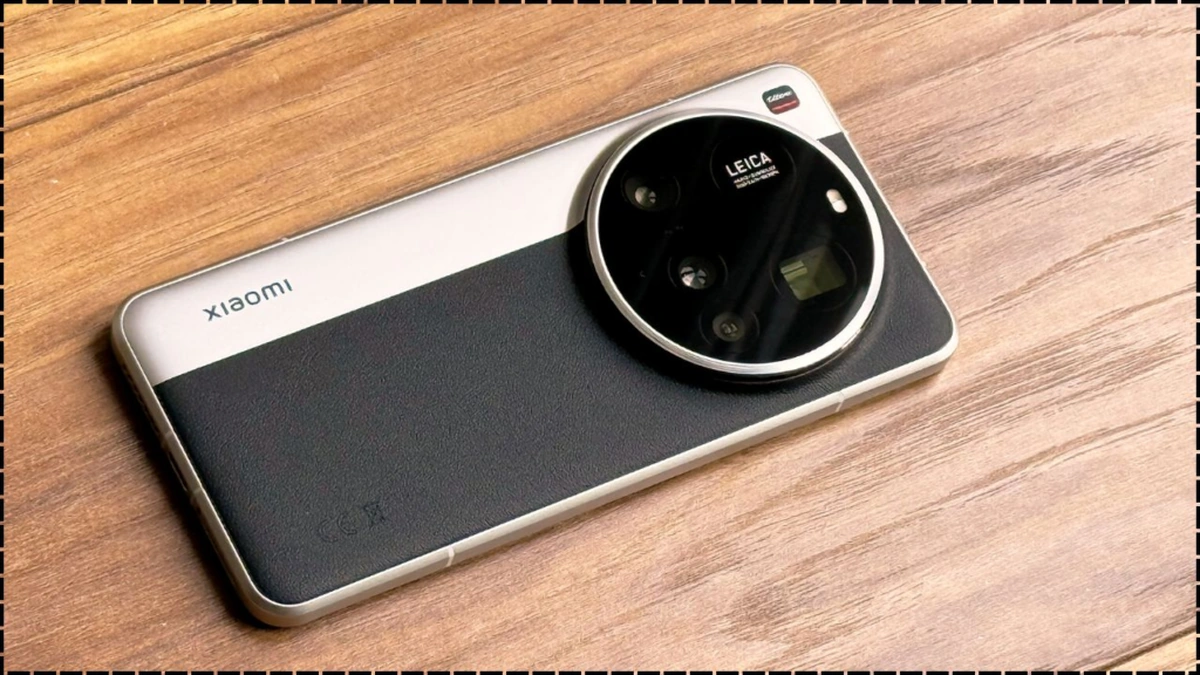
The phone first appeared in Beijing, with a European release planned soon after. Experts suggest this launch underscores the company’s goal to directly rival Apple and Samsung in the high-end arena.
Table of Contents
- A Strategic Push into the Ultra-Premium Segment
- Leica Partnership Brings Professional-Grade Camera Features
- Xiaomi 15 Ultra Premium Design and Robust Build
- Xiaomi 15 Ultra Performance and Battery Life
- Comparative Analysis: Rivals in the Flagship Segment
- Early Consumer and Market Reactions
- Accessories and Creator Ecosystem
- Broader Market Implications
- Indian Market Outlook
- Conclusion
A Strategic Push into the Ultra-Premium Segment
The debut of the Xiaomi 15 Ultra signifies a significant change in Xiaomi’s worldwide business strategy. Beginning as a company known for its cost-effective devices, Xiaomi has steadily climbed into higher market tiers over the last half-decade. With a blend of advanced imaging technology, premium-level construction, and competitive pricing, Xiaomi is now squarely targeting the flagship smartphone category.
According to Reuters, the base model is priced at CNY 6,499 (approximately USD 894) in China. The European price is set to begin around €1,499, aligning the device’s price with competitors like the iPhone 15 Pro Max and Samsung Galaxy S24 Ultra.
Lei Jun, Founder and CEO of Xiaomi, mentioned at the launch event, “Our goal with the Xiaomi 15 Ultra is to democratize access to professional-grade imaging. We’re confident our Leica partnership and our technological advancements will redefine what’s possible in mobile photography.”
Leica Partnership Brings Professional-Grade Camera Features
The Xiaomi 15 Ultra features a quad-camera setup, co-engineered with Leica Camera AG, and includes:
- A 50 MP 1-inch Summilux lens serving as the main sensor
- A 200 MP periscope telephoto lens, designed for long-distance zoom capabilities
- An ultra-wide sensor to enhance landscape and architectural photography
- A secondary telephoto lens, optimized for portrait and intermediate-range photography
This camera system is equipped to record video in 4K at 120 frames per second, with Dolby Vision HDR and 10-bit Log mode support. This allows users to create cinema-quality videos directly on the phone. Xiaomi’s AISP 2.0 imaging engine utilizes AI algorithms to improve colour accuracy, dynamic range, and low-light capabilities.
Dr. Mei Lin, a Senior Lecturer specializing in Mobile Imaging at Tsinghua University, emphasized that this camera partnership goes beyond simple branding.
“The collaboration between Leica’s optical precision and Xiaomi’s AI processing intends to enhance each other. This synergy has the potential to create a new benchmark for mobile device photography,” she stated.
Xiaomi 15 Ultra Premium Design and Robust Build
The smartphone boasts a 6.73-inch LTPO AMOLED display that offers a peak brightness of 3,200 nits along with dynamic refresh rates reaching 120Hz. A next-generation variant of Gorilla Glass protects the display, providing improved resistance to scratches.
Xiaomi has paid close attention to the design aesthetic. The phone has a metal and glass structure with a subtly curved back for comfortable handling. It is offered in black, white, and an exclusive titanium variant.
Its IP68 rating certifies it against both dust and water ingress, matching standards established by Apple and Samsung for their high-end product lines.
Xiaomi 15 Ultra Performance and Battery Life
Internally, the Xiaomi 15 Ultra is powered by the Snapdragon 8 Elite chipset, which is based on a 3nm manufacturing process. This processor offers better power efficiency and continuous performance during intensive activities such as gaming, capturing video, and multitasking.
The device comes with up to 16GB of LPDDR5X RAM and offers up to 1TB of UFS 4.0 storage. It is equipped with Xiaomi’s HyperOS, built upon Android 15, which is fine-tuned for seamless animations and enhanced battery management.
A 5,410 mAh battery supports wired charging at 90W and wireless fast charging at 80W. Xiaomi states that with the included charger, the battery can charge from empty to full in under 40 minutes.
Comparative Analysis: Rivals in the Flagship Segment
The Xiaomi 15 Ultra enters a highly competitive market, going head-to-head with devices like the iPhone 15 Pro Max, Samsung Galaxy S24 Ultra, and Google Pixel 9 Pro.
According to Rajat Tiwari, a Senior Tech Analyst at TechInsights India, “Xiaomi’s strategy of providing faster charging, a more luminous display, and a Leica-engineered camera system at a competitive price point could attract power users and mobile photography aficionados.”
Early Consumer and Market Reactions
Early feedback about the Xiaomi 15 Ultra on social media platforms and tech forums shows significant interest, especially from mobile photography enthusiasts. According to a Xiaomi press release, pre-orders in China exceeded 250,000 units in the first 48 hours.
Tech journalists present at the launch event emphasized the phone’s outstanding camera capabilities and exceptional build. Many noted that the device’s competitive price might give it an advantage in markets like India and Southeast Asia.
Ben Evans, a senior tech correspondent for TechRadar, stated, “The Xiaomi 15 Ultra has the specifications necessary to rival the dominance of Apple and Samsung. Its camera system is the most ambitious effort we’ve seen from Xiaomi.”
Accessories and Creator Ecosystem
Xiaomi offers a “Photography Kit” priced around £179 in Europe, tailored to appeal to professional users and content creators. The kit includes a detachable camera grip, an external shutter button, and lens filters.
Additionally, the company promotes its cloud-based Xiaomi Gallery Pro app, designed to streamline editing, backup, and social sharing capabilities for photographers.
Broader Market Implications
The launch of the Xiaomi 15 Ultra has implications for the premium smartphone market. Apple and Samsung have long held dominant positions with strong brand loyalty and extensive ecosystems. Xiaomi is aiming to disrupt this market structure through premium hardware, competitive pricing, and strategic brand alliances.
Sakshi Mehta, a smartphone market researcher at IDC India, observes, “Cost-conscious consumers looking for top-tier performance now have a strong alternative to consider.”
Indian Market Outlook
Xiaomi has yet to announce an Indian release date for the 15 Ultra, but industry analysts project that it will arrive in the second quarter of 2025. India remains a critical market for Xiaomi, which has historically performed well in the mid-range segment.
Nokia X200 Pro 5G Gets ₹4,000 Price Cut in India: A Strategic Push to Capture Premium Smartphone Market
Conclusion
The Xiaomi 15 Ultra represents a notable milestone in the company’s transformation from a manufacturer focusing on affordability to a strong contender in the premium smartphone category. The combination of Leica’s optical engineering, high-quality construction, and swift charging capabilities has established Xiaomi as a legitimate rival to Apple and Samsung.
Success will depend on more than just its hardware—it will require effective marketing, after-sales support, and consistent software updates. However, for customers who prioritize advanced imaging, the 15 Ultra offers one of the most compelling options currently available.
