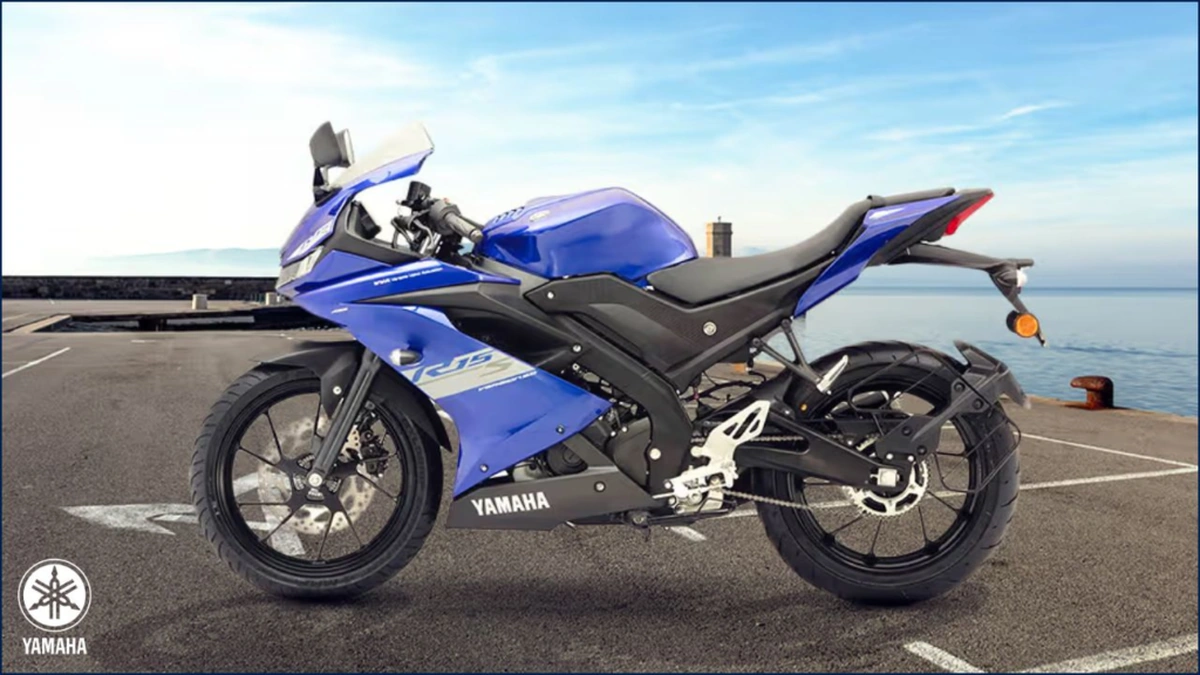
The Yamaha R15 Version 2.0, a 150cc sportbike that debuted in 2011, is experiencing a resurgence of interest within the Indian motorcycle scene. Celebrated for its racing-inspired aesthetics and dynamic performance, this classic model continues to resonate with enthusiasts. However, potential buyers should be diligent in confirming the bike’s regulatory compliance and authenticity before making a purchase.
Table of Contents
- A Resurgence of a Legendary 150cc Sports Bike
- Historical Significance of the Yamaha R15 Version 2.0
- Yamaha R15 Version 2.0 Engine, Design, and Performance Appeal
- Yamaha R15 Version 2.0 Key specifications:
- Why Riders Still Love It
- Comparing R15 V2.0 With Modern Competitors
- Impact on India’s Motorcycle Market
- The Modification and Customisation Culture
- Legal, Environmental, and Safety Concerns
- Future Outlook: A Possible Retro Comeback?
- Conclusion: A Legacy That Endures
A Resurgence of a Legendary 150cc Sports Bike
The Yamaha R15 Version 2.0 is garnering renewed attention across India, with dealerships and private sellers advertising limited ‘last stock’ opportunities. Originally launched in 2011, this 150cc motorcycle with a racing-influenced design remains a favorite among younger riders, collectors, and dedicated fans. Its distinctive styling, track-ready handling, and accessible power delivery have cemented its position as a standout in India’s mid-range sports bike segment.
Market observations and discussions in enthusiast communities suggest that this heightened interest isn’t just about nostalgia. It also reflects evolving consumer preferences and an increasing demand for reliable, performance-driven two-wheelers.
Historical Significance of the Yamaha R15 Version 2.0
It was among the first mass-produced motorcycles to feature a liquid-cooled engine and a six-speed transmission within its engine size category. The complete aerodynamic fairing, the split-seat configuration, and the aluminum swingarm provided it with a distinct racing pedigree at an accessible price point.
The bike quickly became a top-seller for Yamaha Motor India. According to SIAM data, sales exceeded 200,000 units during its most successful years. Its success set the stage for subsequent models, including the R15 V3 in 2017 and the R15 V4 in 2021.
“The R15 v2.0 brought a taste of racing to Indian roads,” explained Dr. Anirudh Sharma, an automotive engineer at IIT Delhi. “It established benchmarks that other manufacturers needed to meet.”
Yamaha R15 Version 2.0 Engine, Design, and Performance Appeal
The R15 v2.0 is driven by a 149.8 cc single-cylinder, liquid-cooled, SOHC engine, generating 17 PS of power and 15 Nm of torque. The six-speed gearbox, lightweight frame, and aggressively styled ergonomics played a role in its cornering abilities and performance on the track. Its design drew inspiration from Yamaha’s R-series supersport models, giving it a distinctive and enduring appearance.
Yamaha R15 Version 2.0 Key specifications:
Its split seat, broad rear tire, delta box frame, and angular fairing contributed to its unmistakable racing profile. Many of these design elements were later mirrored by competitors, highlighting its significant impact on the industry.
Why Riders Still Love It
For numerous individuals, the Yamaha R15 Version 2.0 is more than just its technical specs. It signifies the advent of affordable sport riding within India.
“I purchased my R15 V2 back in 2013, and it continues to provide a superb riding experience,” said Sahil Mehta, a rider from Pune and active member of the Yamaha Racing Club. “It is smooth, stable, and boasts unparalleled handling for a bike in its class.”
Online forums on platforms such as xBhp and Team-BHP remain active with discussions, DIY maintenance tutorials, and modification tips dedicated to this model, even many years after it was discontinued.
Comparing R15 V2.0 With Modern Competitors
Even with the availability of newer models such as the R15 V4 with advanced electronics, digital displays, and updated engines, the V2.0 remains a contender. Enthusiasts value its mechanical simplicity, raw feel on the road, and lower expenses associated with upkeep.
Compared to competing models like the Bajaj Pulsar 150, Hero Karizma, and KTM Duke 125, the R15 v2.0 provides greater precision in handling and better stability at high speeds. However, it does lack modern features such as ABS, slipper clutch, or Bluetooth connectivity that are found in current models.
Impact on India’s Motorcycle Market
The R15 Version 2.0 not only boosted Yamaha’s market presence, but also influenced the development of India’s 150cc–200cc sports bike category. During its prime, Yamaha commanded a significant share of the premium commuter market.
According to ICRA Limited, sales within the 150cc segment experienced a growth of 32 percent between 2020 and 2024. Experts suggest that a desire for older models driven by nostalgia is stimulating this renewed interest, mirroring the resurrections of the Hero Karizma and the Bajaj Pulsar series.
“Classic and heritage bikes possess an emotional connection,” commented Ravi Khanna, a senior automotive analyst at Motown Insights. “The R15 v2.0 represents a period when performance bikes transitioned into mainstream popularity.”
The Modification and Customisation Culture
The robust customization community is another aspect contributing to the ongoing appeal of the R15 V2.0. Owners frequently upgrade the exhaust systems, lighting, and graphic designs, all while maintaining the fundamental performance characteristics of the bike.
While modifications can improve the look or performance of a motorcycle, experts recommend against any illegal modifications. The Ministry of Road Transport and Highways (MoRTH) has provided guidance to make sure that alterations adhere to safety and emission requirements.
“Upgrading the exhaust or changing the tires can impact both performance and legal compliance,” stated Praveen Nair, a certified automotive technician based in Bengaluru. “Buyers need to exercise caution when acquiring modified bikes.”
Legal, Environmental, and Safety Concerns
The Yamaha R15 Version 2.0 precedes India’s Bharat Stage VI (BS-VI) emission regulations. Registration of older BS-III or BS-IV compliant vehicles is more closely scrutinised in some states, especially in major cities like Delhi, Mumbai, and Bengaluru.
Potential buyers should:
- Confirm the engine and chassis numbers
- Verify current insurance and emission documentation
- Check to ensure that there is no tampering or unauthorised modification
The government also requires regular vehicle inspections for older vehicles, particularly those that are more than 15 years old.
Future Outlook: A Possible Retro Comeback?
Yamaha Motor India has not made an official declaration regarding any intentions to revive the R15 Version 2.0. However, industry sources think that its legacy and devoted fan base may inspire special editions inspired by the original retro design in the future. Other manufacturers have implemented similar strategies globally, revisiting well-liked older models.
“The Indian market reacts favorably to recognizable names and dependable machines,” noted Sonal Mehta, a senior automotive journalist. “Should Yamaha ever resurrect the V2.0 or create a tribute model, it would certainly attract an enthusiastic following.”
Jawa 42 Bobber 2025 with 334cc Engine and Retro Styling: Early Booking Dhamaka Offer
Conclusion: A Legacy That Endures
More than ten years after it was released, the Yamaha R15 Version 2.0 still commands the respect of enthusiasts. Its sleek racing-inspired design, reliable 150cc engine, and enduring performance have guaranteed that it remains relevant in a rapidly changing market.
For anyone thinking about purchasing a used model, experts advise confirming legal compliance and mechanical integrity. If all checks out, owning an R15 V2.0 can be more than just a purchase—it represents ownership of a noteworthy chapter in India’s motorcycling narrative.
