
 By Indiansciencemonitor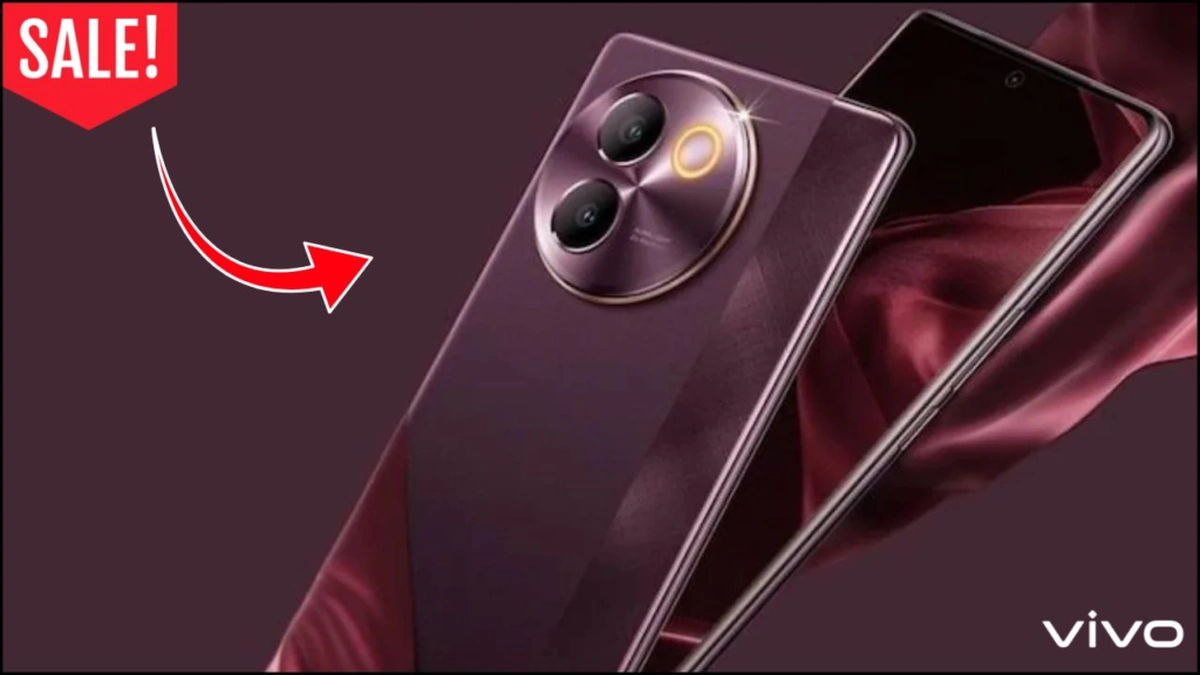
An advertisement circulating rapidly online suggests a Vivo curved smartphone is being offered in India for ₹8,999. Industry experts are advising caution, suggesting the deal may be deceptive. Consumers are encouraged to confirm the offer’s legitimacy and avoid purchasing from non-official sellers.
A widely shared advertisement claims a Vivo curved smartphone is for sale at a price of just ₹8,999, triggering both interest and skepticism among Indian consumers. The advertisement, which has been seen on multiple online platforms and in social media posts, advertises “significant savings for a short period.” However, experts and consumer protection groups are advising consumers to confirm the offer’s validity prior to purchase.
Table of Contents
- The Viral Offer and Consumer Buzz
- Expert Opinions: “Unrealistic Pricing”
- Understanding Curved Display Technology
- The Reality of Online Discount Offers
- How to Verify Authenticity Before Buying
- Broader Issue: Rise in Online Scams and Counterfeit Electronics
- Market Context: Where Vivo Stands
- Why Do These Misleading Listings Appear?
- What Buyers Can Do if They Are Misled
- The Bigger Picture: Responsible Consumerism in the Digital Age
- Conclusion
The Viral Offer and Consumer Buzz
The advertisement promotes a Vivo smartphone with a “curved-edge display” at a beginner-friendly price. In the Indian smartphone market, curved screens are typically seen on high-end devices costing more than ₹25,000. A brand-new Vivo phone with this feature for less than ₹10,000 would be considered quite unusual.
Although consumers have shown excitement on online forums and social media, many also question the offer’s truthfulness, due to skepticism of such a low price. Some e-commerce pages displaying similar promotions were discovered to redirect to unverified vendors or websites lacking transparent warranty information.
Despite considerable online discussion, Vivo India has not issued any public statement regarding the offer. As of Wednesday, authorized retailers and the company’s official website did not list any model matching the ₹8,999 price point.
Expert Opinions: “Unrealistic Pricing”
Technology analysts have quickly labeled the offer as suspect. Prabhu Ram, an independent market researcher in Gurugram, explains, “The raw materials and manufacturing costs required to produce a curved smartphone screen surpass the advertised retail price. It’s nearly impossible to sell a new Vivo curved smartphone for ₹8,999 without sacrificing quality or authenticity.”
Similarly, Anshul Gupta, a senior analyst covering the South Asian smartphone market, points out that the price difference is a cause for concern. “This deal may involve refurbished products being passed off as new, or counterfeit goods entering the supply chain. Consumers should be wary of purchases from unofficial websites or independent resellers,” he warns.
Understanding Curved Display Technology
Curved displays use flexible AMOLED or OLED panels, which are slightly bent around the phone’s edges. This design enhances the viewing experience and gives the device a stylish, high-end look. However, creating these panels requires specialized materials, intricate assembly processes, and results in a higher rate of manufacturing defects than flat screens, which increases overall production costs.
The added manufacturing expenses for a curved display often raise production costs by 20% to 30%. This is why most curved-screen smartphones are positioned in the mid-range or premium categories.
In summary, a brand-new curved display smartphone with a price below ₹10,000 would need to involve significant subsidies, large exchange bonuses, or a misrepresentation of the product’s actual specifications.
The Reality of Online Discount Offers
For example, a phone with a base price of ₹24,000 might appear listed at ₹8,999 after a ₹10,000 exchange discount, a ₹3,000 card discount, and other promotional coupons. However, many consumers won’t qualify for all discounts at once, which often leads to confusion and disappointment.
While e-commerce sites must clearly show the actual selling price, misleading marketing tactics remain a common issue during festive sales periods in India.
VIVO Y400:
Segment’s Slimmest 3D Curved Display Smartphone: vivo Y400 Pro Goes on Sale with Exciting Offers…!#winY400Pro #vivoY400Pro#ItsMyStyle pic.twitter.com/4ViGllUlFS
How to Verify Authenticity Before Buying
Professionals advise consumers to take several steps before making purchases from online platforms advertising unusually large discounts:
- Visit the official Vivo India website to find authorized resellers or current promotions.
- Confirm the seller’s legitimacy through official brand channels.
- Do not click offers from random links in messaging apps or social media posts.
- Carefully read the terms and conditions on the product page, specifically return policies and warranty details.
- Look for phrases like “refurbished,” “open-box,” or “used.”
- Use secure payment options that offer buyer protection instead of direct transfers.
Consumer groups stress that genuine Vivo products include a manufacturer’s warranty and should be sold through certified retail stores or online retailers.
Broader Issue: Rise in Online Scams and Counterfeit Electronics
With millions of users, India’s rapidly growing e-commerce industry has also become a breeding ground for scammers. The Consumer Affairs Ministry has reported an increase in complaints about deceptive product descriptions, counterfeit goods, and unauthorized sellers impersonating popular brands.
Market Context: Where Vivo Stands
Vivo is one of the top five smartphone brands in India by sales volume, alongside Xiaomi, Samsung, Realme, and OnePlus. Known for its stylish designs and focus on camera capabilities, Vivo generally focuses on mid-range consumers. Models such as the V29 Pro and V30 5G are priced between ₹25,000 and ₹40,000, depending on the specific configuration.
In comparison, Vivo’s entry-level Y-series — including the Vivo Y18 and Y28 — range from ₹10,000 to ₹15,000, and none feature curved displays. This makes the ₹8,999 offer even more questionable, as no current or past Vivo phone combines a curved screen with such a low price.
Why Do These Misleading Listings Appear?
Industry experts identify several reasons for the spread of unrealistic offers such as the ₹8,999 Vivo smartphone:
- Clickbait: The advertisement generates website traffic and engagement for sellers or influencers, even without available stock.
- Grey market items:
- Fake products:
- Data theft: Fraudulent sites use fake listings to collect user data for later sale or misuse.
- Confusing promotions: Complex discount arrangements are advertised as simple “flat” prices, obscuring the real costs.
These issues underscore the importance of digital literacy and brand verification in India’s expanding online marketplace.
What Buyers Can Do if They Are Misled
Consumers who believe they have been scammed in an online transaction have several options:
- Submit a complaint on the National Consumer Helpline (NCH) website or call 1915.
- Report the website or seller to the Cyber Crime Reporting Portal (cybercrime.gov.in).
- Contact the e-commerce platform’s complaint representative with screenshots and transaction information.
- Contact Vivo India to verify serial numbers and product authenticity.
Quick action can help to track down fraudulent sellers and prevent scams from affecting additional customers.
Nokia 6600 5 G Smartphone with 200 MP Camera and 18 GB RAM: Huge Dhamaka Offer at ₹ 2,000 Only
The Bigger Picture: Responsible Consumerism in the Digital Age
As India’s economy becomes increasingly digital, responsible consumer habits are essential for maintaining safe online marketplaces. Experts emphasize that consumers need to balance enthusiasm for deals with caution and due diligence.
Government and non-profit educational campaigns are improving awareness of online fraud. Consumers are encouraged to approach any unbelievable offer with healthy doubt, particularly for expensive electronics.
Conclusion
The promise of a Vivo curved smartphone at ₹8,999 has drawn widespread attention, but no credible evidence supports this claim.
Analysts agree: If an offer seems too attractive, it’s likely not legitimate. Consumers should purchase only through reputable sources, examine warranty information, and remain cautious of unrealistic online promotions.